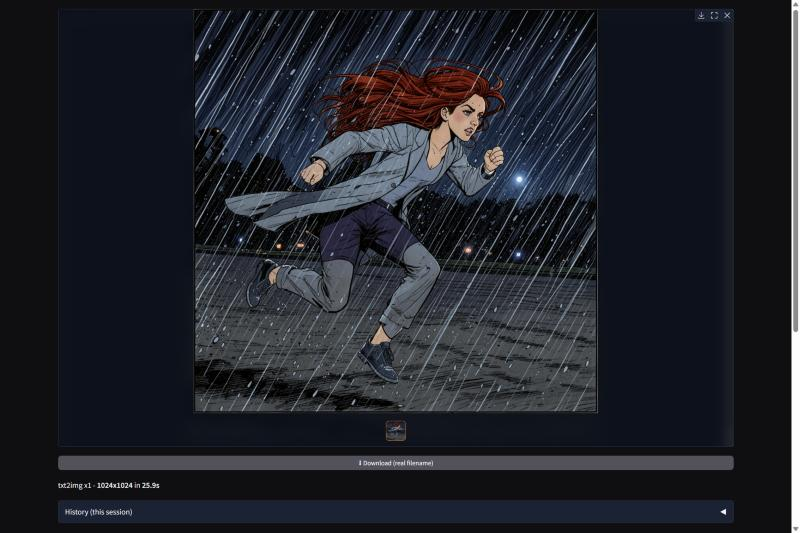
crispz-flux3 is a Fooocus-style web studio for FLUX.3 Image Klein, the 5.6B image model Black Forest Labs released on October 15. Everything runs on your own GPU: text to image, multi-reference editing, img2img and upscale, inpaint and outpaint, 2K and 4K native renders, LoRAs, single-file checkpoints from CivitAI (bf16, INT8, GGUF), a CLI and a JSON protocol for automation.
Pinokio launcher: https://github.com/mikecastrodemaria/crispz-flux3.pinokio
Source: https://github.com/mikecastrodemaria/crispz-flux3
Install (Pinokio)
- In Pinokio, open Discover and paste
https://github.com/mikecastrodemaria/crispz-flux3.pinokio.
- Click Install. The launcher clones the app, creates a Python 3.11 venv, installs diffusers 0.42.1 (the first release with FLUX.3), PyTorch 2.11 with CUDA 12.8 on NVIDIA, and checks that the FLUX.3 blocks really load.
- Accept the FLUX Kommunity License once on Hugging Face (https://huggingface.co/black-forest-labs/flux-3-image-klein), create a READ token and paste it in Settings > hf_token in the app (or
config.txt).
- Click Start. The first render downloads about 20 GB (transformer, Qwen3-VL-4B text encoder, VAE), cached afterwards.
The licence is free, commercial use included, under 5 M USD of yearly revenue.
What it renders
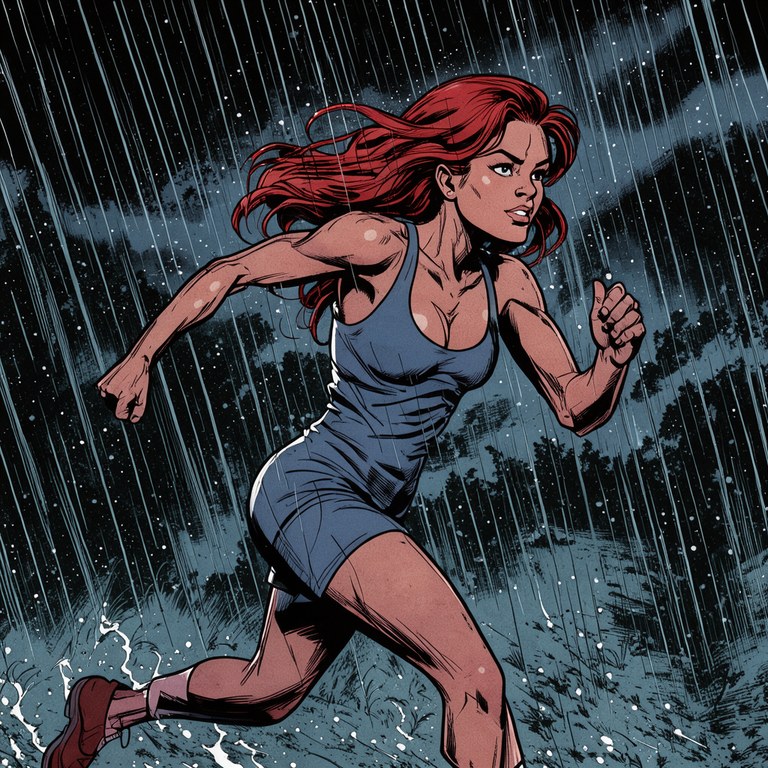
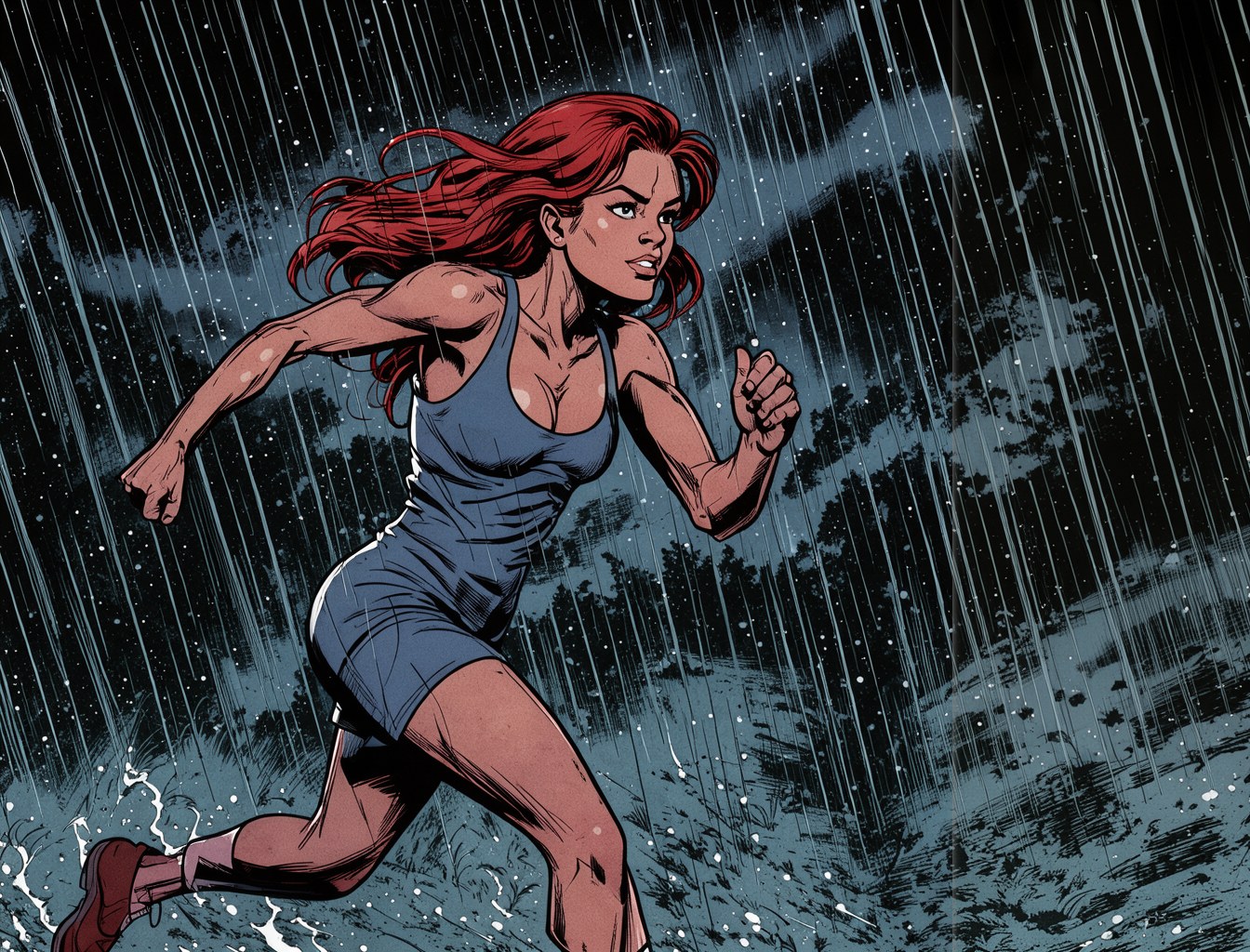
Text to image, 1024x1024, 16 steps, about 7 s on an RTX 5090:
Editing from references: put the image in Ref 1, describe the change. Several references are cited in the prompt as <ref_image_0>, <ref_image_1>... (up to 10 through the CLI and the protocol, 4 slots in the tab):
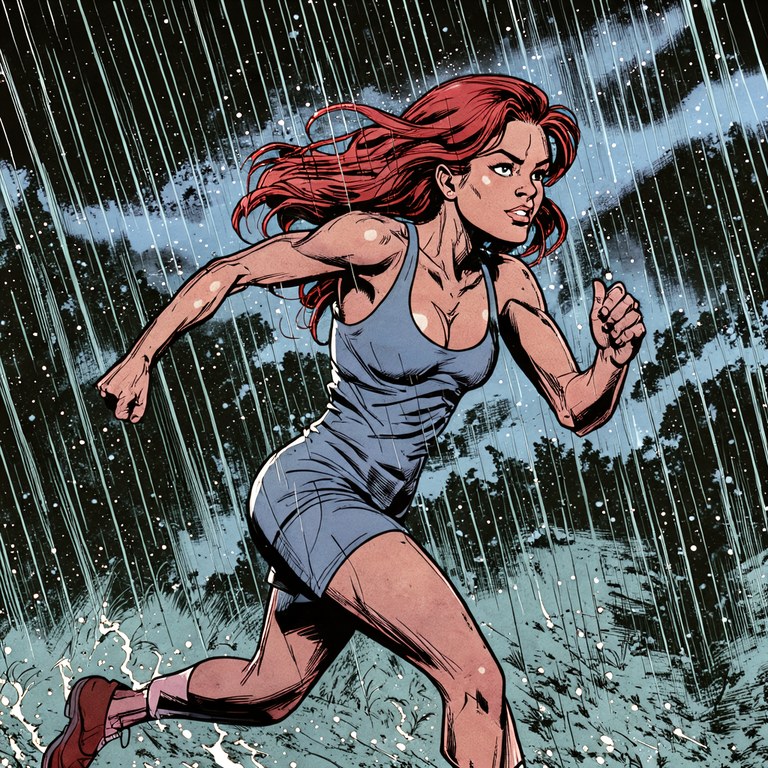
Inpaint with a brush, outpaint by sides or reframe to a new ratio, with a feathered composite so the untouched pixels stay exactly yours:
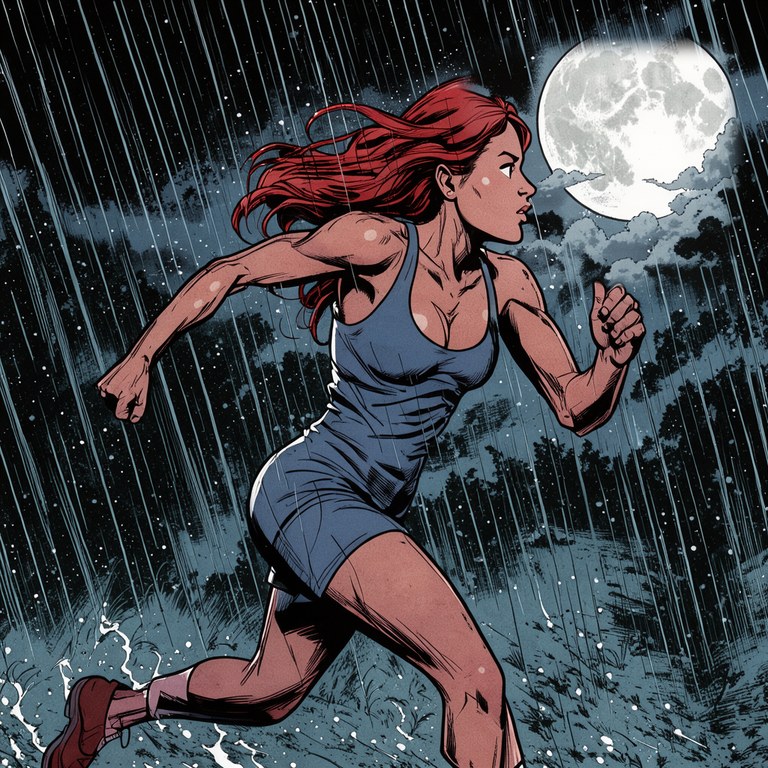
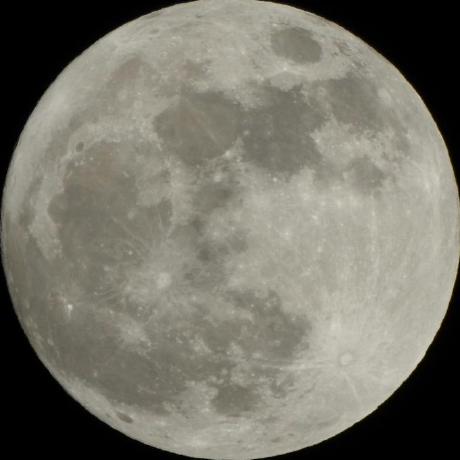
Outpaint through the first FLUX.3 edit LoRA (the CivitAI Outpaint LoRA, shipped as a preset): the 1024x1024 render above, extended 30% to the right on a gray band, no seam:
Features
- Text to Image with styles, wildcards,
{a|b|c} variants, a live preview, Stop, a Fooocus-style queue and an XYZ grid.
- Edit (references): FLUX.3's native multi-image editing, no second model, no extra VRAM. The first FLUX.3 edit LoRA (the CivitAI Outpaint LoRA) ships as a preset.
- Inpaint / Outpaint / Reframe in one editor, plus a hand and face detailer.
- Upscale / img2img: diffusion refine, ESRGAN, tiled 2x and 4x.
- 2K and 4K native: presets up to 3840x2160 and 4096 per side. Measured on a 5090: 2048x2048 in 52 s, 3840x2160 in 113 s, clean composition, no tiling.
- Models: the distilled (16 steps) and base (50 steps, real CFG) checkpoints, precision bf16 / fp8r / nvfp4, and CivitAI single files: bf16, ComfyUI INT8 scaled (dequantized on load), GGUF Q4_K_M (runs in 8.4 GB of VRAM). A CivitAI browser fetches previews, trigger words and recommended settings for your local files.
- LoRAs with hot swap, negative weights, LoKr merge; FLUX.2 files are refused with the reason instead of a broken render.
- Prompt AI: local captioning, Ollama prompt enhancement, prompt history.
- CLI and protocol v1 for batch work and integration with other tools.
VRAM, measured on an RTX 5090
| Setup |
Resident / peak |
1024x1024, 16 steps |
| bf16, no offload |
18.8 GB / 23.7 GB |
7 s |
| GGUF Q4_K_M, model offload |
8.4 GB peak |
11 s |
| INT8 base checkpoint, 50 steps, CFG 3.5 |
21 GB peak |
33 s |
fp8r (about 14.4 GB) and nvfp4 (about 13.5 GB, Blackwell + flashinfer) are selectable; cards under 16 GB should start with the GGUF.
Known limits of this release
- BFL's prompt upsampler (a 9B model) is not included: short edit instructions are timid, a full description of the target image works better. Planned for 0.2 with Ollama.
- Euler only (the distilled checkpoint is a flow map), bounding boxes not exposed yet.
- Windows and Linux on NVIDIA are tested; ROCm and MPS are wired in the launcher but not measured.
Issues and ideas: https://github.com/mikecastrodemaria/crispz-flux3/issues


crispz-flux3 is a Fooocus-style web studio for FLUX.3 Image Klein, the 5.6B image model Black Forest Labs released on October 15. Everything runs on your own GPU: text to image, multi-reference editing, img2img and upscale, inpaint and outpaint, 2K and 4K native renders, LoRAs, single-file checkpoints from CivitAI (bf16, INT8, GGUF), a CLI and a JSON protocol for automation.
Pinokio launcher: https://github.com/mikecastrodemaria/crispz-flux3.pinokio
Source: https://github.com/mikecastrodemaria/crispz-flux3
Install (Pinokio)
https://github.com/mikecastrodemaria/crispz-flux3.pinokio.config.txt).The licence is free, commercial use included, under 5 M USD of yearly revenue.
What it renders
Text to image, 1024x1024, 16 steps, about 7 s on an RTX 5090:
Editing from references: put the image in Ref 1, describe the change. Several references are cited in the prompt as
<ref_image_0>,<ref_image_1>... (up to 10 through the CLI and the protocol, 4 slots in the tab):Inpaint with a brush, outpaint by sides or reframe to a new ratio, with a feathered composite so the untouched pixels stay exactly yours:
Outpaint through the first FLUX.3 edit LoRA (the CivitAI Outpaint LoRA, shipped as a preset): the 1024x1024 render above, extended 30% to the right on a gray band, no seam:
Features
{a|b|c}variants, a live preview, Stop, a Fooocus-style queue and an XYZ grid.VRAM, measured on an RTX 5090
fp8r (about 14.4 GB) and nvfp4 (about 13.5 GB, Blackwell + flashinfer) are selectable; cards under 16 GB should start with the GGUF.
Known limits of this release
Issues and ideas: https://github.com/mikecastrodemaria/crispz-flux3/issues